
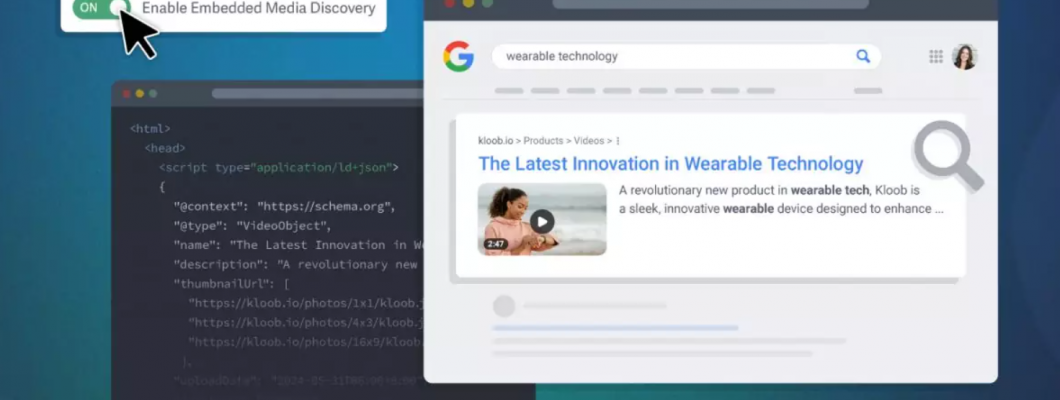
Video has become one of the most effective formats for capturing attention and driving organic visibility. Whether it’s how-to tutorials, product demonstrations, brand storytelling, or explainer videos, visual content now plays a central role in how users discover information online. But in today’s competitive search landscape, simply uploading a video is no longer enough to achieve strong visibility.
To appear prominently in Google Video results, videos must be properly structured and optimized for search engines. This is where video schema markup becomes essential. Video schema is a form of structured data that provides search engines with clear, detailed information about your video content such as its title, description, duration, and thumbnail. By helping Google better understand what your video is about, schema markup improves the likelihood of your content appearing in rich results, video carousels, and Google’s dedicated Video tab.
When implemented correctly, video schema not only enhances discoverability but also increases click-through rates by enabling visually rich listings. For brands and publishers focused on video-driven SEO, schema markup is a critical step toward standing out and maximizing the impact of video content.
What Is Video Schema Markup?
Video schema markup is a type of structured data added to your webpage using Schema.org vocabulary. It provides search engines with detailed information about your video, such as:
Video title and description
Duration
Thumbnail URL
Upload date
Content URL or embed URL
By adding this data, you help Google accurately index your video and determine when it should appear in video-based search results.
Why Video Schema Markup Matters for SEO
Google increasingly prioritizes rich, visual search experiences. Video schema markup offers several SEO benefits:
Improved Visibility
Videos with structured data are more likely to appear in Google Video results, video carousels, and rich snippets.
Higher Click-Through Rates (CTR)
Enhanced listings with thumbnails, timestamps, and descriptions attract more attention than standard text links.
Better Indexing
Schema markup helps Google understand the context of your video, improving crawling and indexing accuracy.
Competitive Advantage
Many websites still don’t implement video schema correctly, giving optimized pages a clear edge.
Where Video Schema Appears in Google Search
When implemented correctly, video schema markup can help your content appear in:
Google Video search tab
Video carousels on SERPs
Rich results with thumbnails
Featured snippets (in some cases)
This increased exposure can significantly boost traffic, especially for educational, how-to, and product-focused videos.
Essential Video Schema Properties
To qualify for Google Video results, your video schema should include the following key properties:
Required Properties
name – Title of the video
description – Brief summary of the video content
thumbnailUrl – High-quality thumbnail image
uploadDate – Date the video was published
Recommended Properties
duration – Length of the video in ISO 8601 format
contentUrl – Direct URL to the video file
embedUrl – URL used to embed the video
publisher – Organization or brand behind the video
Including both required and recommended properties improves eligibility for enhanced search features.
Best Practices for Video Schema Markup
Use JSON-LD Format
Google recommends JSON-LD for structured data because it’s easier to implement and maintain without affecting page design.
Match Visible Content
Your schema data must accurately reflect the video content visible on the page. Mismatched or misleading markup can lead to penalties.
Add One Video Per Page
Whenever possible, focus each page on a single primary video to avoid confusion during indexing.
Optimize Video Thumbnails
Use clear, high-resolution thumbnails that accurately represent the video. Thumbnails strongly influence click behavior.
Include Transcripts
Adding a video transcript improves accessibility and helps search engines better understand video context.
Video Schema for YouTube vs Self-Hosted Videos
YouTube Videos
Even if your video is hosted on YouTube, adding schema markup on the embedded page can improve visibility in Google Video results.
Self-Hosted Videos
For self-hosted videos, schema markup is essential since Google relies heavily on structured data to understand video files outside YouTube.
Both approaches benefit from accurate schema implementation.
Common Video Schema Mistakes to Avoid
Missing required properties
Using incorrect duration or date formats
Marking up videos that don’t exist on the page
Using low-quality or broken thumbnail URLs
Adding schema to irrelevant or thin content pages
Avoiding these mistakes ensures your video remains eligible for rich results.
How to Test Video Schema Markup
After implementing video schema, always validate your structured data using Google tools:
Rich Results Test – Confirms eligibility for enhanced search features
Google Search Console – Identifies errors and performance insights
Regular testing helps maintain long-term visibility and compliance with Google guidelines.
Measuring the Impact of Video Schema
Track performance using metrics such as:
Video impressions in Google Search Console
Click-through rate from video results
Engagement metrics like watch time and bounce rate
Organic traffic growth to video pages
These insights help refine your video SEO strategy over time.
Final Thoughts
Video schema markup is no longer optional it’s a must-have for brands and publishers looking to maximize video visibility in search. By structuring your video content correctly, you help Google understand, index, and showcase your videos to the right audience at the right time.
When combined with strong content, optimized metadata, and engaging visuals, video schema markup can dramatically improve discoverability, boost clicks, and strengthen your overall SEO performance.
1 Comment(s)
I really enjoyed your post—it’s refreshing to see an emphasis on seamless, secure gaming experiences. Speaking of which, <a href="https://fairplay24.world/ "> fairplay24 </a>offers such a rewarding platform: the registration process is intuitive, their security standards are solid, and the overall design is user-centric. What particularly impressed me is how smooth the <a href="https://fairplay24.world/login "> Fairplay24 login </a> process is—it’s fast, reliable, and encrypted to keep user data protected. Your review captures that balance perfectly. For anyone exploring gaming platforms, this attention to both functionality and trust makes all the difference. Would love to hear how your experience compares!
Team fairplay24
https://fairplay24.world/
Leave a Comment