
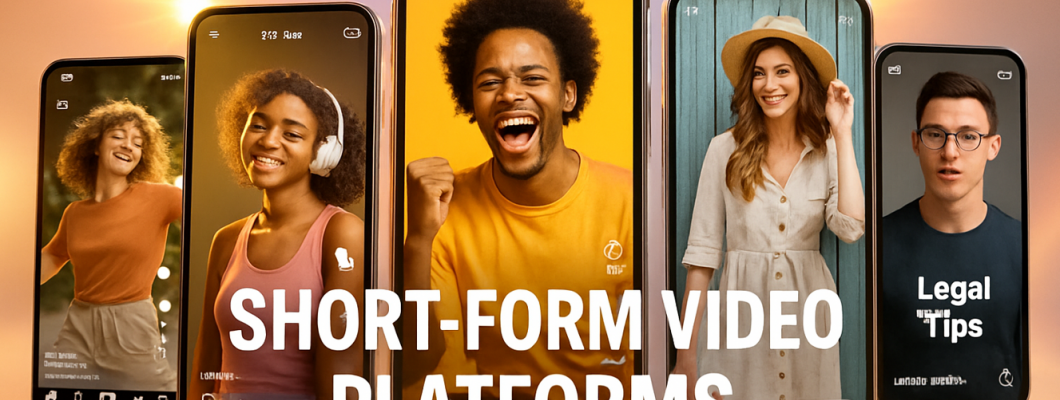
Short-form video has fundamentally changed the way people discover content online. Platforms such as TikTok, Instagram Reels, and YouTube Shorts have evolved beyond pure entertainment to become powerful discovery and search platforms. In 2025, users don’t just scroll for fun they actively search short-form videos for tutorials, product reviews, local business recommendations, tips, and trending topics. This shift has made short-form video SEO an essential component of modern digital marketing strategies.
Optimizing short videos for search and platform algorithms helps ensure your content is seen by the right audience at the right time. Strategic use of keywords, captions, hashtags, and on-screen text improves visibility in search results and recommendation feeds. When done effectively, short-form video optimization allows content to perform well long after it’s published, driving sustained views, engagement, and brand awareness. Instead of relying solely on viral moments, businesses and creators can build consistent, discoverable content that supports long-term growth across TikTok, Reels, and YouTube Shorts.
Why Short-Form Video SEO Matters
Unlike traditional SEO, short-form video SEO focuses on platform algorithms that prioritize relevance, engagement, and user behavior. TikTok, Reels, and Shorts analyze how viewers interact with videos watch time, replays, saves, comments, and shares to determine visibility.
Well-optimized videos:
Appear in search results and “For You” feeds
Gain longer lifespan beyond trends
Drive traffic to profiles, websites, and products
Build brand authority and trust
As attention spans shrink, platforms reward content that delivers value quickly and clearly.
How Short-Form Video Algorithms Work
Although each platform is unique, they share common ranking signals:
Keyword relevance in captions, hashtags, and on-screen text
Viewer retention and completion rate
Engagement signals (likes, comments, shares, saves)
Audio and trend relevance
Consistency and posting frequency
Understanding these signals allows creators and brands to optimize content intentionally instead of relying on viral luck.
Keyword Strategy for Short-Form Videos
Short-form SEO starts with understanding search intent. Users often search using conversational, problem-based queries such as “how to style oversized shirts” or “best productivity apps.”
Best practices:
Research keywords directly inside TikTok and Instagram search bars
Use long-tail phrases that match user intent
Include keywords naturally in captions and hashtags
Add keywords as on-screen text to help platforms “read” your video
Short-form platforms increasingly rely on AI to interpret text, visuals, and audio together.
Optimizing Captions, Hashtags & Descriptions
Captions are no longer optional. They act like metadata for your video.
Tips for optimization:
Write clear, keyword-rich captions (not just emojis)
Use 3–6 relevant hashtags instead of spammy lists
Mix niche, branded, and trending hashtags
Place primary keywords at the beginning of captions
On YouTube Shorts, descriptions still influence discoverability use them strategically.
On-Screen Text & Subtitles Matter
Most short-form videos are watched without sound. On-screen text improves both accessibility and SEO.
Why it matters:
Helps AI understand video context
Improves viewer retention
Reinforces keywords visually
Captures attention in the first 2 seconds
Use bold, readable text and avoid clutter. Auto-captions are helpful, but manual editing improves accuracy.
Content Structure That Boosts Rankings
The first 3 seconds determine success. High-performing short videos follow a simple structure:
Hook – Address a problem or curiosity immediately
Value – Deliver insights quickly and clearly
Action – Encourage saves, comments, or follows
Clear storytelling improves completion rates, a key ranking factor across all platforms.
Platform-Specific Optimization Tips
TikTok SEO
Optimize for search-first content (tutorials, tips, reviews)
Use spoken keywords in the video
Engage with comments to boost ranking longevity
Instagram Reels SEO
Focus on visual clarity and strong branding
Use concise captions with intent-driven keywords
Leverage trending audio strategically
YouTube Shorts SEO
Use keyword-optimized titles and descriptions
Maintain vertical formatting and high resolution
Link Shorts to long-form content for deeper engagement
Each platform rewards slightly different behaviors, but quality and relevance remain universal.
Measuring Short-Form SEO Performance
Track metrics beyond views:
Average watch time
Search discovery traffic
Saves and shares
Profile clicks and conversions
These insights reveal what content resonates and where optimization is needed.
Common Mistakes to Avoid
Posting without keyword research
Overusing irrelevant hashtags
Ignoring captions and descriptions
Chasing trends without brand alignment
Forgetting consistency
Short-form SEO is a long-term strategy, not a one-time viral attempt.
The Future of Short-Form Video SEO
As AI-driven search evolves, short-form video will continue to influence how users discover information. Platforms are becoming smarter at understanding intent, context, and quality. Brands that treat short videos like searchable content not disposable trends will win visibility and loyalty.
Final Thoughts
Short-form video SEO is no longer optional. By optimizing captions, keywords, on-screen text, and engagement signals, creators and brands can turn TikTok, Reels, and Shorts into powerful discovery engines. With the right strategy, short videos don’t just go viral they stay searchable, relevant, and impactful.
1 Comment(s)
I really enjoyed your post—it’s refreshing to see an emphasis on seamless, secure gaming experiences. Speaking of which, <a href="https://fairplay24.world/ "> fairplay24 </a>offers such a rewarding platform: the registration process is intuitive, their security standards are solid, and the overall design is user-centric. What particularly impressed me is how smooth the <a href="https://fairplay24.world/login "> Fairplay24 login </a> process is—it’s fast, reliable, and encrypted to keep user data protected. Your review captures that balance perfectly. For anyone exploring gaming platforms, this attention to both functionality and trust makes all the difference. Would love to hear how your experience compares!
Team fairplay24
https://fairplay24.world/
Leave a Comment