
In today’s fast-paced digital environment, customer behavior can shift in a matter of seconds. A slow response or an irrelevant message may cause users to abandon their journey, turning potential conversions into missed opportunities. While traditional funnel optimization depends largely on historical data and past performance, this approach falls short in a real-time, multi-channel world where customer intent evolves instantly.
To effectively optimize the modern customer journey, businesses must move beyond hindsight and respond to behavior as it happens. This is where real-time data signals play a transformative role. By capturing live insights from user interactions such as clicks, engagement, and on-site actions, brands can adapt experiences instantly, deliver relevant messaging, and remove friction at critical moments. Real-time data signals turn static funnels into dynamic, responsive systems that align with user intent in the moment, driving higher engagement, improved conversions, and more meaningful customer experiences.
What Is Funnel Optimization?
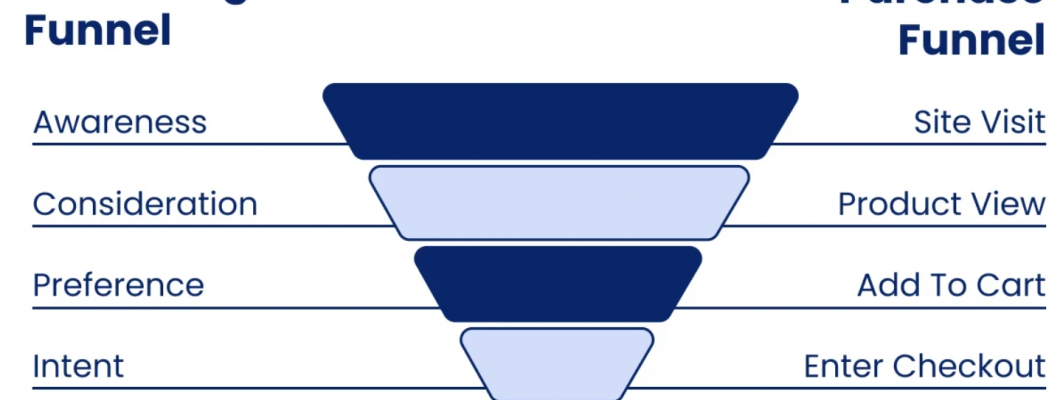
Funnel optimization is the process of improving each stage of the customer journey from awareness and consideration to conversion and retention. The goal is to reduce friction, eliminate drop-offs, and guide users smoothly toward desired actions such as purchases, sign-ups, or inquiries.
While traditional funnels analyze what happened after the fact, modern funnels require immediate insight into what is happening right now.
Understanding Real-Time Data Signals
Real-time data signals are live indicators of user behavior captured as interactions occur. These signals can include:
Page views and scroll depth
Clicks and hover actions
Time spent on pages
Form interactions and abandonment
Cart activity and exits
Device, location, and referral source
By analyzing these signals instantly, businesses can respond in the moment instead of waiting for post-campaign reports.
Why Real-Time Signals Matter for Funnel Performance
Customer intent is often fleeting. Real-time insights allow brands to:
Detect drop-offs as they happen
Identify high-intent users instantly
Deliver timely, relevant messages
Optimize experiences before users leave
This immediacy transforms static funnels into adaptive, responsive journeys.
Optimizing Each Funnel Stage with Real-Time Data
Awareness Stage
Real-time signals reveal which channels and content attract attention. Brands can quickly double down on high-performing ads, headlines, or creatives and pause underperforming ones.
Consideration Stage
Tracking engagement metrics such as scroll behavior, video completion, and content interaction helps identify interest levels. Personalized recommendations, chat prompts, or targeted offers can be triggered instantly to maintain momentum.
Conversion Stage
Real-time cart and form data expose friction points. Exit-intent popups, dynamic pricing, or reassurance messages can be activated to reduce abandonment and increase conversions.
Retention Stage
Post-conversion signals like repeat visits or inactivity allow brands to re-engage users with timely follow-ups, loyalty offers, or onboarding guidance.
Key Tools Powering Real-Time Funnel Optimization
Modern funnel optimization relies on integrated platforms, including:
Customer data platforms (CDPs)
Behavioral analytics tools
Real-time dashboards and heatmaps
Marketing automation and personalization engines
AI-powered recommendation systems
These tools work together to transform raw data into immediate action.
Benefits of Real-Time Funnel Optimization
Higher conversion rates
Reduced drop-off and abandonment
Improved personalization at scale
Faster decision-making
Better customer experiences
By responding in the moment, businesses meet customers exactly where they are.
Common Challenges and How to Overcome Them
While powerful, real-time optimization comes with challenges:
Data overload without clear priorities
Poor integration between tools
Delayed or inaccurate tracking
Privacy and consent management
Success depends on focusing on high-impact signals, aligning teams, and ensuring compliant data practices.
Best Practices for Success
Define clear funnel goals and KPIs
Focus on intent-driven signals
Automate responses where possible
Test, learn, and refine continuously
Balance speed with thoughtful user experience
The Future of Funnel Optimization
As AI and machine learning advance, real-time data signals will become even more predictive. Funnels will anticipate behavior before it happens, delivering hyper-personalized experiences across every channel.
Final Thoughts
Funnel optimization using real-time data signals transforms static customer journeys into living, responsive systems. By acting on behavior as it happens, brands can reduce friction, increase conversions, and build stronger customer relationships.
In a world where timing is everything, real-time insight is the ultimate competitive advantage.
Leave a Comment