
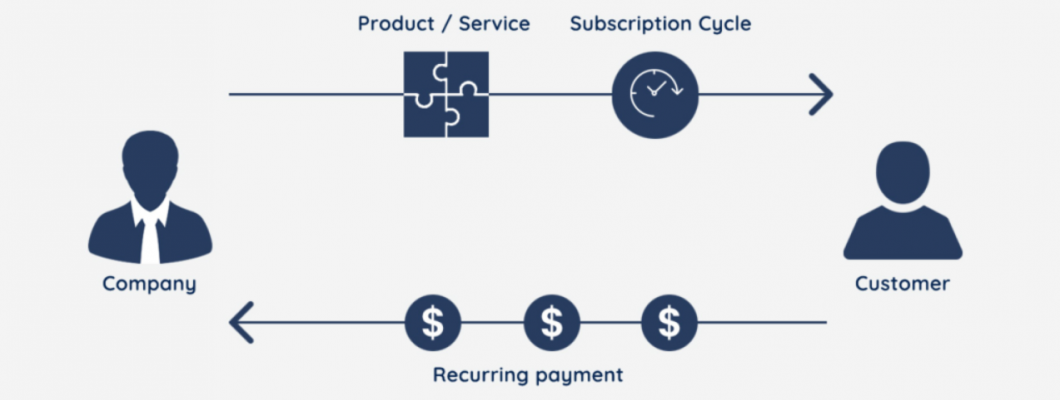
Over the last decade, subscription-based e-commerce has become one of the most popular growth models in online retail. From meal kits and grooming boxes to streaming platforms and curated fashion services, subscriptions offered businesses predictable recurring revenue and stronger, long-term customer relationships. The promise was simple: consistent value for customers and stable income for brands.
However, the landscape in 2026 looks more competitive. Markets are crowded, customer acquisition costs continue to rise, and consumers are more selective about where they spend their money. Subscription fatigue is real, and expectations for personalization, flexibility, and convenience are higher than ever. As a result, many businesses are questioning whether subscription models are still truly profitable.
The answer is yes—but only with the right strategy. Subscription commerce remains powerful when brands focus on delivering continuous value, reducing churn, personalizing experiences, and building meaningful customer engagement. Success today is no longer about simply offering a recurring plan; it’s about optimizing retention, improving lifetime value, and creating a subscription experience customers genuinely want to keep.
What Makes Subscription Models Attractive?
Subscription commerce offers several advantages that traditional e-commerce lacks:
1. Predictable Recurring Revenue
Unlike one-time purchases, subscriptions generate ongoing revenue. This steady cash flow improves financial forecasting and budgeting.
2. Customer Loyalty & Retention
Repeat purchases drive lifetime value (LTV). When customers stay subscribed, brands spend less on acquisition over time.
3. Data-Driven Personalization
Subscription data reveals customer preferences, enabling tailored experiences that boost satisfaction and reduce churn.
4. Brand Advocacy
Subscribers often become loyal brand advocates, driving referrals and organic growth.
Why Some Subscription Businesses Struggle
Despite its benefits, subscription e-commerce isn’t a guaranteed win. Some common challenges include:
Rising Acquisition Costs
Customer acquisition cost (CAC) continues to increase across paid channels. Without strong retention, high CAC erodes profitability.
Subscription Fatigue
As consumers juggle multiple subscriptions (streaming, apps, boxes, memberships), many feel overwhelmed and cancel services.
Churn Risk
Churn — when subscribers leave — is the biggest threat to subscription profitability. Even strong initial growth can collapse without effective retention.
Product Relevance
If the value doesn’t remain clear, subscribers lose interest. Keeping offerings fresh and useful is essential.
What Makes Subscription Models Profitable in 2026
So what separates winning subscription businesses from the rest? Here are key strategies that define profitability today:
1 Comment(s)
I really enjoyed your post—it’s refreshing to see an emphasis on seamless, secure gaming experiences. Speaking of which, <a href="https://fairplay24.world/ "> fairplay24 </a>offers such a rewarding platform: the registration process is intuitive, their security standards are solid, and the overall design is user-centric. What particularly impressed me is how smooth the <a href="https://fairplay24.world/login "> Fairplay24 login </a> process is—it’s fast, reliable, and encrypted to keep user data protected. Your review captures that balance perfectly. For anyone exploring gaming platforms, this attention to both functionality and trust makes all the difference. Would love to hear how your experience compares!
Team fairplay24
https://fairplay24.world/
Leave a Comment