
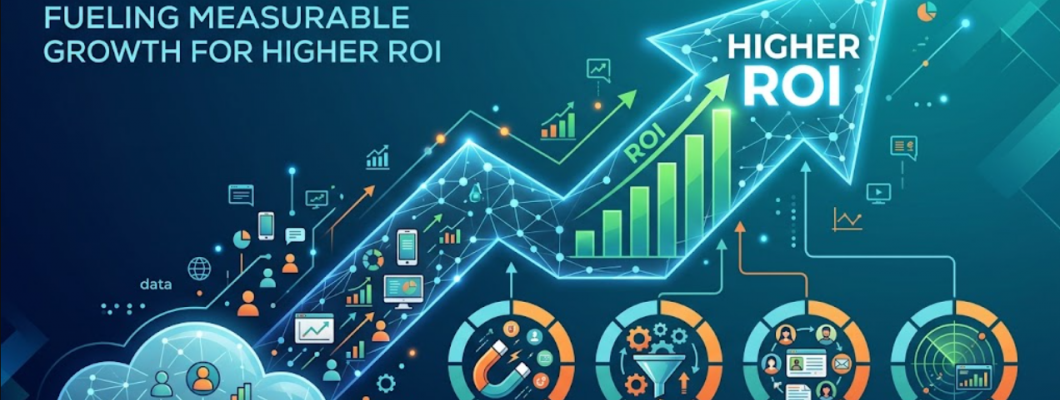
In today’s highly competitive digital environment, reaching the right audience is crucial for marketing success. Running ads without clear targeting often leads to wasted budget and limited results. This is where data-driven audience targeting makes a real difference.
By using data insights, businesses can better understand customer behavior, preferences, and needs. This allows them to identify and connect with the most relevant audience segments instead of relying on broad or guess-based targeting. As a result, campaigns become more efficient, delivering higher engagement and stronger conversions.
Data-driven targeting not only improves return on investment (ROI) but also enhances the overall customer experience by delivering more personalized and relevant messages. When users see content that aligns with their interests, they are more likely to engage and take action.
Let’s take a closer look at how data-driven audience targeting works and how you can use it to improve your marketing performance and achieve better results.
What is Data-Driven Audience Targeting?
Data-driven audience targeting involves using customer data, analytics, and insights to create highly specific audience segments for marketing campaigns.
Instead of broad targeting, it focuses on:
User behavior
Demographics
Interests
Purchase history
Online activity
This approach ensures your ads are shown to people who are most likely to engage and convert.
Why Data-Driven Targeting Matters
1. Improves ROI
Targeting the right audience reduces wasted spend and increases conversion rates.
2. Enhances Personalization
Customers are more likely to respond to relevant and personalized messages.
3. Boosts Engagement
Relevant ads lead to higher click-through rates (CTR) and better interaction.
4. Increases Conversion Rates
When your message matches user intent, conversions naturally improve.
Types of Data Used in Audience Targeting
1. Demographic Data
Includes age, gender, income, education, and occupation.
2. Behavioral Data
Tracks user actions such as:
Website visits
Clicks
Time spent on pages
3. Psychographic Data
Focuses on interests, values, and lifestyle preferences.
4. Geographic Data
Targets users based on location.
5. Transactional Data
Includes past purchases and spending patterns.
Key Data Sources for Targeting
1. Website Analytics
Tools like analytics platforms help track user behavior and interactions.
2. CRM Systems
Customer relationship management tools store valuable customer data.
3. Social Media Insights
Platforms provide detailed audience insights and engagement metrics.
4. Ad Platforms
Advertising tools offer targeting options based on user data.
Effective Strategies for Data-Driven Targeting
1. Segment Your Audience
Divide your audience into smaller groups based on shared characteristics.
Examples:
New vs returning users
High-value customers
Cart abandoners
Segmentation allows for more personalized and effective campaigns.
2. Use Lookalike Audiences
Lookalike audiences help you reach new users similar to your existing customers.
This expands your reach while maintaining relevance.
3. Implement Retargeting Campaigns
Retarget users who have already interacted with your brand.
Benefits:
Higher conversion rates
Lower acquisition cost
Increased brand recall
4. Personalize Ad Messaging
Tailor your ads based on audience segments.
Example:
Show different ads to first-time visitors vs loyal customers
Personalization improves engagement and conversions.
5. Leverage Predictive Analytics
Use AI and machine learning to predict user behavior and future actions.
This helps in:
Identifying high-value prospects
Optimizing campaigns in real time
6. Optimize Based on Performance Data
Continuously analyze campaign data and adjust targeting strategies.
Key Metrics:
CTR
Conversion rate
Cost per acquisition (CPA)
ROI
Tools for Data-Driven Targeting
Consider using tools that provide actionable insights:
Analytics platforms
Customer data platforms (CDPs)
Marketing automation tools
Ad management platforms
These tools help collect, analyze, and apply data effectively.
Challenges in Data-Driven Targeting
1. Data Privacy and Compliance
Businesses must follow regulations and protect user data.
2. Data Accuracy
Incorrect or outdated data can lead to poor targeting.
3. Integration Issues
Combining data from multiple sources can be complex.
4. Over-Segmentation
Too many segments can make campaigns difficult to manage.
Best Practices for Higher ROI
1. Focus on Quality Data
Ensure your data is accurate and up to date.
2. Start with Clear Goals
Define what you want to achieve before targeting.
3. Test and Optimize
Run A/B tests to find what works best.
4. Maintain Customer Privacy
Be transparent and secure with user data.
5. Align Messaging with Audience Intent
Ensure your ads match user needs and expectations.
Real-World Example
Scenario:
An e-commerce brand uses data-driven targeting:
Identifies users who viewed products but didn’t purchase
Retargets them with personalized ads
Offers a limited-time discount
Result:
Increased conversion rate
Lower CPA
Higher ROI
Future of Data-Driven Targeting
1. AI-Powered Personalization
Advanced algorithms will deliver hyper-personalized experiences.
2. First-Party Data Focus
Businesses will rely more on their own data due to privacy changes.
3. Real-Time Targeting
Ads will be optimized instantly based on user behavior.
4. Omnichannel Integration
Seamless targeting across multiple platforms.
Conclusion
Data-driven audience targeting is no longer optional—it’s essential for achieving higher ROI in digital marketing. By leveraging data, businesses can reach the right audience, deliver personalized experiences, and optimize campaigns for better performance.
The key to success lies in understanding your audience, using the right tools, and continuously refining your strategy. When done correctly, data-driven targeting transforms your marketing efforts from guesswork into a powerful, results-driven system.
Start using data to guide your targeting decisions today and unlock the full potential of your marketing campaigns.
Leave a Comment