
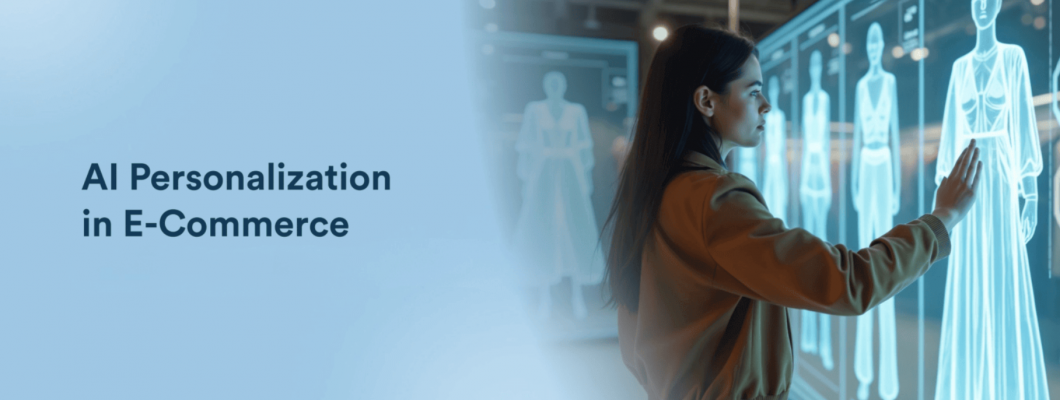
By 2026, success in e-commerce goes far beyond offering quality products at competitive prices. Today’s consumers expect personalized experiences that are smooth, relevant, and designed around their preferences. Shoppers want online stores to understand what they need, recommend the right products, and make the buying journey effortless. This growing demand for customization has positioned AI-powered personalization as a key driver of higher conversions and long-term business growth.
Artificial intelligence enables brands to analyze customer behavior, predict preferences, and deliver tailored content in real time. From personalized product recommendations to customized email campaigns and dynamic website experiences, AI helps create meaningful interactions that increase engagement. When customers feel understood and valued, they are more likely to purchase and return.
Businesses that strategically implement AI personalization are seeing measurable improvements in customer retention, average order value, and overall revenue performance. Instead of relying on generic marketing tactics, they are using data-driven insights to create smarter, more targeted experiences.
As online competition intensifies, AI-powered personalization is becoming a competitive advantage rather than a luxury. Understanding how it reshapes digital retail is essential for brands aiming to boost conversions and build sustainable growth in the evolving e-commerce landscape.
Why Personalization Matters More Than Ever
Modern consumers are overwhelmed with choices. Every online store competes not only on price but also on experience. When customers land on a website, they expect:
Relevant product recommendations
Personalized offers
Tailored email communication
Seamless browsing experiences
If they don’t find what they need quickly, they leave.
Personalization reduces friction in the buyer journey. It shortens decision-making time and increases the likelihood of purchase.
What Is AI-Powered Personalization?
AI-powered personalization uses machine learning, predictive analytics, and customer behavior data to create customized experiences for each user.
Instead of showing the same homepage to every visitor, AI analyzes:
Browsing behavior
Purchase history
Time spent on pages
Search queries
Device usage
Geographic location
Based on this data, the system dynamically adjusts content, product recommendations, and offers in real time.
How AI Boosts E-Commerce Conversions
1. Smart Product Recommendations
AI algorithms analyze past behavior to suggest products customers are most likely to buy. Personalized recommendations can appear on:
Homepage
Product pages
Cart pages
Post-purchase emails
These suggestions increase average order value (AOV) and reduce decision fatigue.
2. Predictive Search & Dynamic Filtering
AI-powered search bars understand user intent and auto-suggest relevant products instantly. Smart filtering improves navigation, helping customers find what they need faster.
Faster discovery = higher conversion rates.
3. Personalized Email Marketing
Generic email blasts are losing effectiveness. AI allows businesses to send:
Behavior-triggered emails
Abandoned cart reminders
Personalized product suggestions
Time-based promotional offers
Emails tailored to user behavior significantly improve open rates and click-through rates.
4. Dynamic Pricing & Offers
AI can analyze demand, competitor pricing, and purchase behavior to offer personalized discounts or time-sensitive deals. This strategy increases urgency while maintaining profitability.
5. Intelligent Chatbots & Virtual Assistants
AI-powered chatbots now provide personalized product guidance based on customer queries and past interactions. These bots reduce bounce rates and improve customer satisfaction.
AI Personalization and Customer Retention
Acquiring new customers is expensive. Retaining existing customers is far more profitable.
AI helps improve retention by:
Recommending complementary products
Sending timely reorder reminders
Predicting churn risk
Offering loyalty incentives
When customers feel understood, they return.
The Role of First-Party Data in 2026
With third-party cookies fading, first-party data has become essential. AI systems rely on:
Website behavior data
CRM insights
Email engagement metrics
Purchase history
Businesses that build strong first-party data strategies will have a competitive advantage in AI-driven personalization.
Key Metrics to Track
To measure the impact of AI personalization, focus on performance metrics such as:
Conversion rate
Average order value (AOV)
Customer lifetime value (CLV)
Cart abandonment rate
Retention rate
Revenue per visitor
These metrics clearly indicate whether personalization efforts are driving real growth.
Common Mistakes to Avoid
Over-Personalization
Too many recommendations or intrusive pop-ups can overwhelm users.
Ignoring Data Privacy
Transparency and compliance with data regulations are critical.
Relying Only on Automation
AI enhances strategy—but human oversight remains essential.
Small Businesses Can Leverage AI Too
AI personalization is no longer limited to large enterprises. Many e-commerce platforms now offer built-in AI tools for:
Automated recommendations
Smart segmentation
Personalized email flows
Predictive analytics dashboards
Even small stores can implement affordable AI-driven strategies to improve conversions.
Future Trends in AI E-Commerce (2026 & Beyond)
Hyper-personalized shopping journeys
AI-driven visual search
Voice commerce optimization
Predictive inventory management
Emotion-based product recommendations
As AI evolves, personalization will become even more seamless and invisible—creating frictionless buying experiences.
Final Thoughts
AI-powered personalization is no longer optional in e-commerce—it’s essential. In 2026, customers expect brands to understand their preferences, anticipate their needs, and deliver relevant experiences instantly.
When implemented strategically, AI personalization:
Increases conversions
Boosts average order value
Improves customer retention
Strengthens brand loyalty
The future of e-commerce belongs to businesses that combine data, automation, and human insight to create meaningful customer experiences.
If your goal is to boost conversions and build sustainable growth, investing in AI-driven personalization is one of the smartest moves you can make today.
1 Comment(s)
I really enjoyed your post—it’s refreshing to see an emphasis on seamless, secure gaming experiences. Speaking of which, <a href="https://fairplay24.world/ "> fairplay24 </a>offers such a rewarding platform: the registration process is intuitive, their security standards are solid, and the overall design is user-centric. What particularly impressed me is how smooth the <a href="https://fairplay24.world/login "> Fairplay24 login </a> process is—it’s fast, reliable, and encrypted to keep user data protected. Your review captures that balance perfectly. For anyone exploring gaming platforms, this attention to both functionality and trust makes all the difference. Would love to hear how your experience compares!
Team fairplay24
https://fairplay24.world/
Leave a Comment